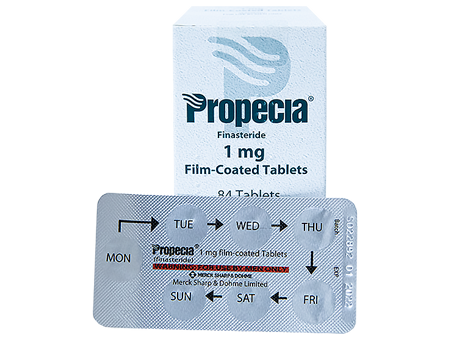
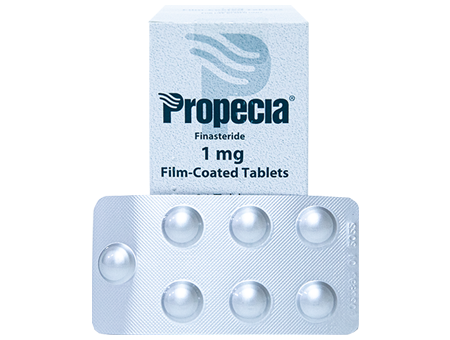
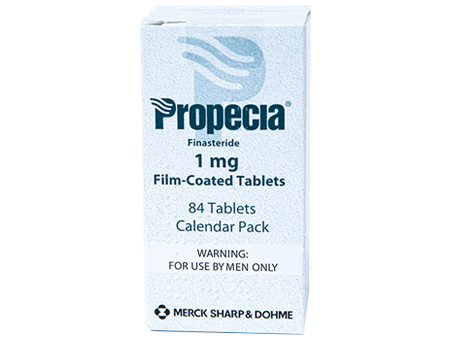
What is Propecia?
Propecia is a brand name for Finasteride, one of the most popular treatments for male hair loss on the market today. It's commonly used to treat male pattern baldness (androgenetic alopecia), which affects roughly half of all men in the UK aged 50 or older - making it the most common type of male hair loss.
Available via prescription only, Propecia has been shown to reduce (and even reverse) hair loss in up to 90% of men, delivering noticeable results in as little as three months. Combine that kind of efficacy with the convenience of oral tablets - and affordable prices - and it's no wonder why Propecia has proven to be such a popular treatment.
To get started, use the drop-down menu above to select the quantity of tablets you'd like to order and begin your free online consultation.
How to use 1mg Propecia Hair Loss Tablets
Propecia is taken once a day.
It may take 3-6 months before you start to see the full effects of Propecia, and if you stop taking Propecia you may lose the hair you have gained within 9-12 months.
If you have any questions regarding Propecia or other hair restoration medication, please don't hesitate to get in touch with our team of pharmacists.
What are the potential side effects of 1mg Propecia Hair Loss Tablets?
Like any other tablet, Propecia can occasionally cause side effects in some people. Although rare, if you experience an allergic reaction when you take Propecia or begin to feel depressed (or experience other adverse mental health effects), you should stop taking the medication immediately.
Other potential side effects of Propecia include:
Uncommon (may affect up to 1 in 100 people)
Erectile dysfunction (impotence)
Reduced libido
Problems with ejaculation (including a decrease in the amount of semen released during sex)
Frequency unknown
Breast swelling or tenderness
Palpitations (feeling your heartbeat)
Changes in the way your liver is working, which can be shown by a blood test
Pain in the testicles
Blood in semen
Persistent difficulty having an erection after discontinuation of treatment
Persistent decrease in sex drive after discontinuation of treatment
Persistent problems with ejaculation after discontinuation of treatment
Male infertility and/or poor quality of semen
Anxiety
Suicidal thoughts
Propecia: Frequently Asked Questions
We've answered a few common questions about Propecia below, but if you'd like to learn more about it and what it does, check out the NHS page on Finasteride or read the Propecia patient information leaflet.
How Does Propecia Work?
Dihydrotestosterone (DHT) is a male sex hormone that, in high levels, is thought to contribute to male pattern baldness. DHT shrinks the hair follicles, resulting in decreased growth and thinner hair, mostly due to decreased healthy blood flow to the hair follicles.
DHT is produced by an enzyme called 5-alpha reductase in the hair follicles. Men who have less of this enzyme have lower levels of DHT and are less likely to develop male pattern baldness.
Propecia has been shown to inhibit the human Type II 5-alpha reductase, decreasing the formation of DHT from testosterone and thus helping to inhibit hair loss.
Can I Take Propecia?
Propecia is suitable for men aged 18 and above. If you have a prostate condition or if your partner is pregnant or trying to get pregnant, you cannot take Propecia.
Will Propecia Regrow Hair?
Very often, yes; reducing your DHT levels, via the use of Propecia/Finasteride, leads to reduced hair loss and increased hair growth in many cases.
The efficacy of Propecia will depend on how much hair you have lost previously, your age, your genetics and how long you continue to take Propecia for.
Our Clinical Authors


This page has been written by a registered UK pharmacist and reviewed by our clinical team to ensure it is accurate, clear and reflects current clinical guidance.
Last medically reviewed: 06 July 2026
Last updated: 06 July 2026