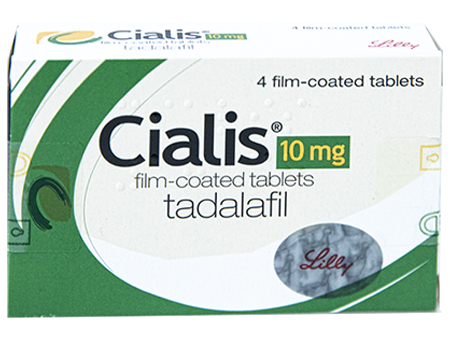
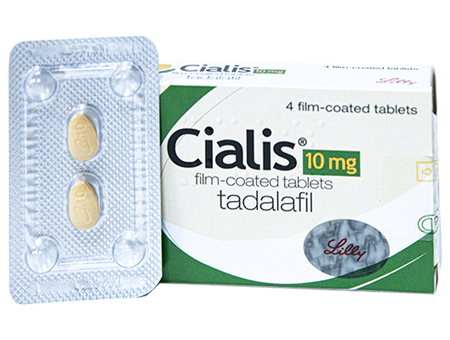
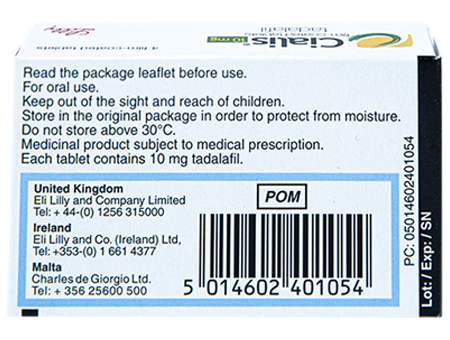
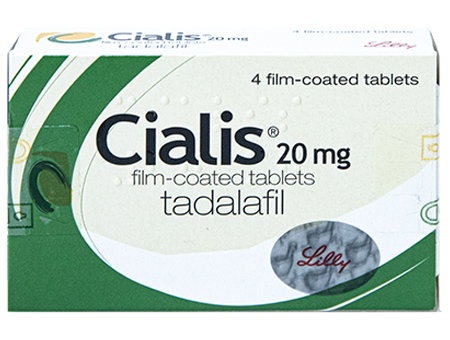
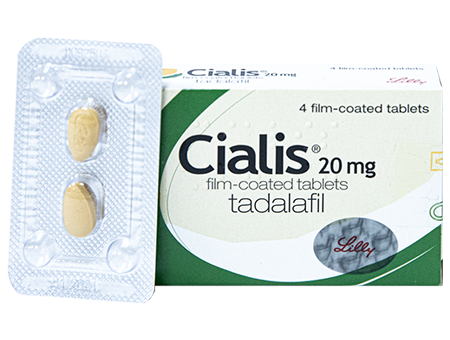
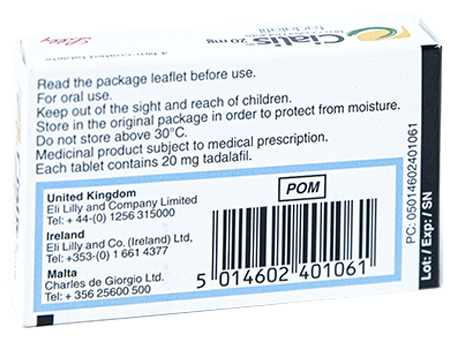
Cialis belongs to a class of drug known as phosphodiesterase-5 inhibitors (PDE5i). It is a type of drug that is used to treat erectile dysfunction and benign prostatic hyperplasia. It is available in four doses: 2.5mg, 5mg, 10mg, and 20mg.
Although the doses of 2.5mg and 5mg are approved for daily usage in the treatment of ED, the 10mg dose is yet the most commonly used dose. A consultation with a doctor is recommended to determine a suitable dosage.
How Does Cialis Work?
To properly understand how Cialis works towards treating erectile dysfunction, it's necessary to first understand how erections work. When there is an erotic stimulus (physical touch, erotic thoughts, sensual scents, etc.), local tissues emit nitric oxide (NO), which raises the quantity of a molecule called cyclic guanosine monophosphate (cGMP). cGMP relaxes the corpora cavernosa muscles on the sides of the penis, allowing blood to flow into the penis. At the same time, veins releasing blood from the penis become constricted, allowing more blood to become trapped in the penis, leading to an erection. Phosphodiesterase-5 is an enzyme that breaks down cGMP, causing the penis to revert to its flaccid state. PDE5 inhibitors, such as Cialis, inhibit this enzyme, resulting in increased amounts of cGMP and a better ability to get and maintain an erection.
Cialis Directions:
Cialis should be taken 30–60 minutes before sexual activity. Cialis is a long-acting medicine that can remain active in your body for up to 36 hours, which is why it is known as a "weekend pill".
When Cialis is taken at least 2 hours before sex, some people have better results. Food does not affect Cialis absorption, so it can be taken with or without food.
Side Effects of Cialis
Some of the common side effects of Cialis are:
- Nausea
- Flushing
- Muscle pain
- A stuffy or runny nose
- An upset stomach
- Headache
If you experience any of these common side effects and they either persist or become worse, get it examined by a doctor. Moreover, if you experience any unforeseen side effects, you should still talk to a doctor.
In some rare cases, cialis can cause some severe side effects. These include:
- A sudden decline in hearing ability. This may surface in the form of Tinnitus (ringing in the ears) and/or dizziness
- A sudden loss of vision in one or both eyes. For example, one may experience non-arteritic anterior ischemic optic neuropathy, which is an eye condition that causes sudden vision loss in one or both eyes (NAION).
- An excessively prolonged erection (priapism). In such a case, the erection may last for several hours.
If you experience hearing or vision loss, or if your erection lasts for more than four hours, do not take Cialis any further and seek medical attention immediately.
Cialis Warnings
You should not take Cialis if you:
- Take nitrate medications. Nitrates are a type of drug used to treat high blood pressure (such as nitroglycerin).
- Are allergic to Cialis or any of the ingredients in Cialis.
- Take guanylate cyclase stimulators like Riociguat (Adempas).
To ensure that Cialis is safe for you, share your comprehensive medical history with the doctor. This may include telling if you have:
- History of a heart attack, or have an irregular heartbeat, angina, chest pain, aortic valve narrowing, or heart failure
- Pulmonary hypertension
- Had an erection that lasted longer than 4 hours
- Unregulated high blood pressure or low blood pressure
- Liver problem
- Blood cell disorders like sickle cell anaemia, multiple myeloma, or leukaemia
- Malformed penis
- Recently suffered a stroke
- Stomach or intestinal ulcers
- Any other medical issue
Also, tell your doctor about all of the medications you are taking, including prescriptions and over-the-counter medications, vitamins, and herbal supplements.
Cialis may impact the way other medications function and may result in adverse effects.
What is Cialis?
Cialis (tadalafil) is a prescription erectile dysfunction medication (ED). Cialis can assist men with ED in maintaining an erection. Eli Lilly and Company has been manufacturing Cialis since 2002.
How Does Cialis Work?
Cialis is a PDE5 inhibitor, like Levitra, Viagra and Avanafil. It works by expanding the blood vessels at the base of the penis to improve blood flow.
PDE5 is an enzyme that causes the blood channels of the penis to constrict, which restricts the flow of blood. Cialis aids in reversing this constriction.
How Long Does Cialis Take to Begin Working?
Depending on the dose and how it is prescribed to you, Cialis can take anywhere between 30 minutes and 2 hours to start taking effect. Its effects tend to last for a duration of approximately 36-hours
Is Cialis Safe to Use for Erectile Dysfunction?
Cialis has a good safety profile. However, if Cialis is combined with certain other drugs, it can become dangerous. Cialis should not be taken if you are on nitrates or other blood pressure drugs.
What Dosage of Cialis Should You Take?
Your doctor will be able to assist you in determining the appropriate dose for you based on whether you previously used the medication and, if so, to what degree that dose had the desired benefits.
How Often Should Cialis be Taken to Combat Erectile Dysfunction?
Cialis should be taken only once in a 24-hour period. It stays active in the body for 24-36 hours, and hence, Cialis is recommended for moderate usage; usually 2-3 times per week.
What is a Standard Dose of Cialis?
If your doctor prescribes Cialis only as needed for ED, the usual starting dose is 10mg before sexual activity. If the drug is performing too intensely, it may be lowered to 5mg. Conversely, if the 10-mg Cialis dose isn't effective at treating ED, your doctor may increase the dosage to 20mg.
*The maximum dosage for Cialis is 20mg per day.
Is it Possible for Cialis to Cause Stomach Pain?
Yes, Cialis can induce a stomachache in some people.
However, it tends to be mild. You can find further information in the Cialis packaging.
Is it Safe to Use Cialis With Other Medication?
Talk to your doctor to determine if there can be an interaction between any of your other medications and Cialis. Your doctor will also consider your medical history, including any past treatments you've received.
Is There a Generic, Lower-Cost Version of Tadalfil/Cialis?
Yes, Tadalafil, the generic version of the medicine, became available on the market in 2018. It has the same active component as Cialis and, as a result, should perform similarly. Tadalafil can be manufactured by companies other than Lilly.
What if the Cialis Dose Purchased is Ineffective in Treating Erectile Dysfunction?
If the prescribed dose isn't working, talk to your doctor about it. They may advise you to try a new dose or recommend alternative treatments.
Is it Okay to Eat or Drink Alcohol Whilst Using Cialis?
Food does not usually alter the effectiveness of Tadalafil, unlike some other erectile dysfunction medications. However, drinking more than one or two units of alcohol while using Cialis is not recommended.
What Are the Side Effects of Cialis?
The following are some frequently reported side effects for people using Cialis:
Indigestion
Back pains
Muscle aches
Headaches
A runny nose
Facial flushing
Patients who experience an episode of back discomfort and/or muscle aches usually get it 12 to 24 hours after taking Cialis, and it normally subsides within 48 hours. A tiny proportion of Cialis users have visual problems.
Can Cialis be used with other treatments for ED?
The safety and efficacy of Cialis when used with other ED medications has not been evaluated. Combining the two medications could lower blood pressure to dangerously low levels and/or cause other serious health problems. Hence, using other ED drugs in conjunction with Cialis is not advised.